
Adaptive Reuse: Office-to-Residential Conversions
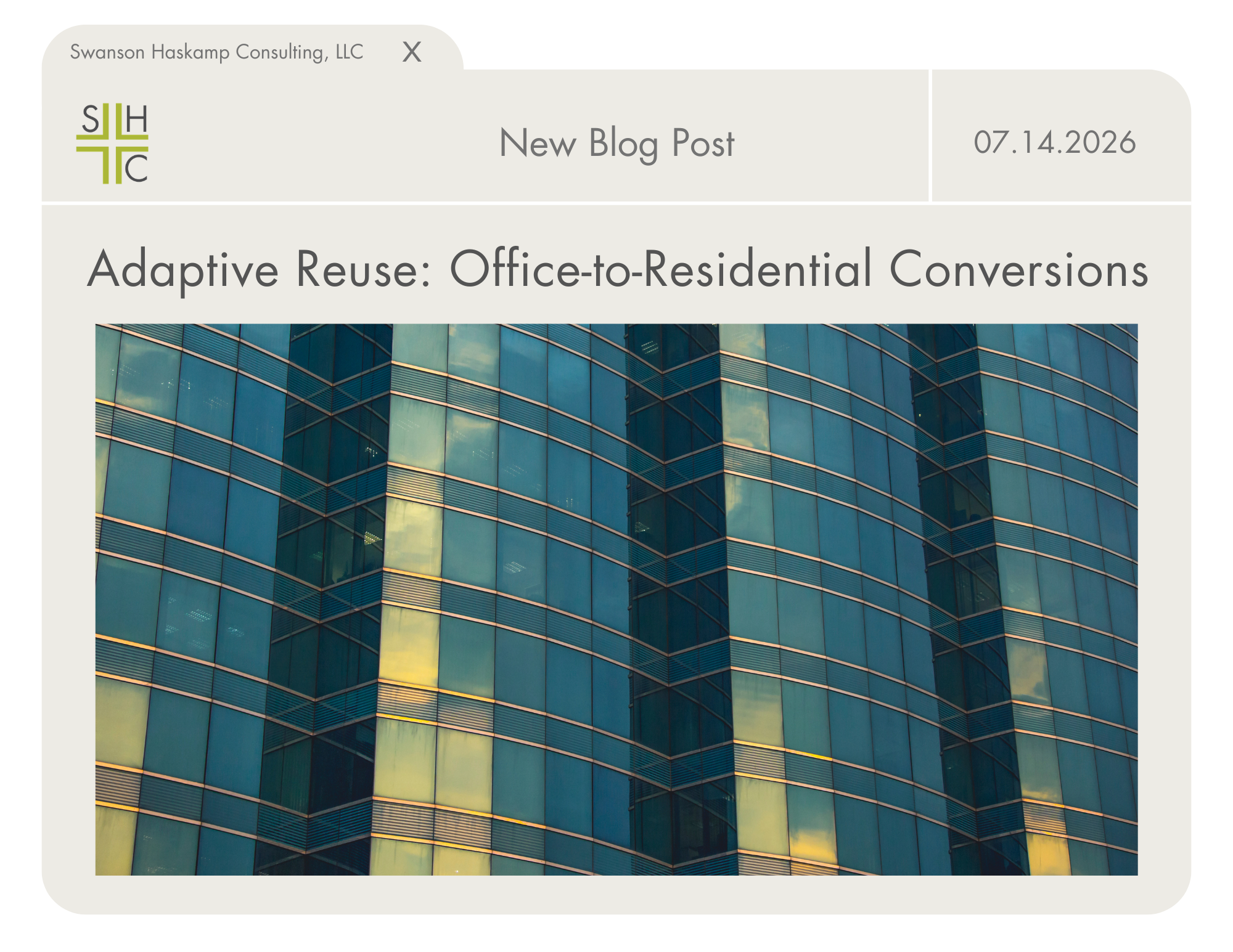
Last week, Manhattan’s largest office-to-apartment conversion project came to a screeching halt. On Tuesday, construction workers noticed that the steel columns on the 33-floor were bending and the floors above were starting to sag. The building was immediately evacuated, along with several others nearby.
The building was originally constructed in the 1970s and served Pfizer’s headquarters until the pharmaceutical company moved in 2023.
In 2024, work began on the building to convert the empty offices into 1,600 new luxury apartment units. Four new floors were added and ten floors were expanded. However, two structural columns below the expansion showed signs of bending and breakage last week, leading to an evacuation of the building and the surrounding area. Officials were concerned that the whole building could collapse.
The building has since been stabilized, and efforts are underway to reinforce the structure.
New York City has seen a boom of adaptive reuse projects in recent years. Records show that there have been more than 3,000 new housing units constructed in converted office buildings since 2020. The city anticipates another 13,000 to come online within the next few years.
These types of office-to-residential conversion projects are an effort to make housing in the Big Apple more accessible and affordable. However, converting an office building into a residential use can pose a major structural and financial challenge.
Generally, most office layouts have centrally located bathrooms, elevators, and break rooms on every floor. Residential units need bathrooms and kitchens in each unit. It can add tremendous cost and complexity to modify the existing floorplan and utilities to accommodate this.
However, these types of adaptive reuse projects can help add new housing supply to the market. Tearing town buildings is also incredibly wasteful - the construction sector is responsible for about 40% of the world’s energy-related carbon emissions. It is more sustainable to reuse and adapt existing structures, despite some of the challenges.